
Tango Kilo Mike
Charitable Trust
The Quiet Cost of Constant Choice: Understanding and Addressing Decision Fatigue
Understanding and Addressing Decision Fatigue
In the realm of leadership, where clarity and conviction are prized, the erosion of decision-making capacity can be both subtle and consequential. Decision fatigue, though often overlooked, is a pervasive cognitive phenomenon that affects individuals across sectors; from frontline responders to executive strategists. It is not a failure of character or competence, but rather a predictable outcome of sustained cognitive load. Understanding its mechanics and implications is essential for those who lead, support, and serve others.
At its core, decision fatigue refers to the diminishing quality of decisions made after a prolonged period of decision-making. The concept, popularised by psychologist Roy F. Baumeister, suggests that our mental resources are finite. Each decision, regardless of its magnitude, draws from a shared reservoir of cognitive energy. As this reservoir depletes, individuals become more prone to impulsivity, avoidance, and error.
This phenomenon is not confined to high-stakes environments. It manifests in the everyday: choosing what to wear, responding to emails, navigating interpersonal dynamics. For leaders, however, the stakes are often higher. Decisions carry ethical weight, strategic consequence, and emotional resonance. The cumulative toll can be profound.
Consider the experience of a crisis intervention co-ordinator who must triage competing needs, assess risk, and communicate with clarity under pressure. Or a mentor guiding transitioning personnel through complex life changes, balancing empathy with practical advice. In such roles, the volume and gravity of decisions compound, often without the relief of closure or certainty. Over time, even the most resilient individuals may find themselves defaulting to the path of least resistance, delaying action, or second-guessing their instincts.
The symptoms of decision fatigue are varied. Some may notice a creeping indecisiveness, where once-clear choices become mired in doubt. Others may experience irritability, procrastination, or a reliance on habitual responses. In organisational settings, this can lead to missed opportunities, compromised integrity, and diminished morale. Importantly, decision fatigue does not discriminate. It affects seasoned professionals and emerging leaders alike, often in ways that are invisible until they are disruptive.
Addressing decision fatigue requires both structural and personal strategies. On a systemic level, organisations can reduce unnecessary decision load by streamlining processes, clarifying roles, and fostering a culture of shared responsibility. Leaders can delegate effectively, batch similar decisions, and prioritise high-impact choices during peak cognitive hours. These adjustments are not signs of weakness, but of strategic foresight.
On a personal level, cultivating self-awareness is key. Recognising the signs of fatigue allows for timely intervention. Practices such as reflective journaling, mindfulness, and scheduled mental rest can replenish cognitive reserves. Establishing routines for low-stakes decisions—such as meal planning or wardrobe choices—can preserve energy for more consequential matters. Crucially, leaders must give themselves permission to pause, recalibrate, and seek support. The myth of the endlessly decisive leader is not only unrealistic, but harmful.
There is also value in reframing decision-making itself. Rather than viewing each choice as a test of competence, it can be seen as an opportunity for alignment—with values, purpose, and collective wellbeing. This shift reduces the emotional burden and fosters a more sustainable approach to leadership.
In mentoring contexts, acknowledging decision fatigue can be a powerful act of empathy. It validates the lived experience of those navigating transition, trauma, or uncertainty. By naming the phenomenon and offering practical tools, mentors can empower others to make choices with greater confidence and clarity. This is especially vital in communities where decision-making is entangled with identity, safety, and belonging.
Ultimately, decision fatigue is not a flaw to be hidden, but a reality to be managed. It invites us to examine how we structure our days, support our teams, and care for ourselves. In doing so, we not only preserve our own capacity to lead, but model a more humane and effective approach to decision-making for others.
For those committed to ethical leadership and inclusive practice, this awareness is not optional - it is foundational. The path to resilient decision-making begins not with more effort, but with more insight. And in that insight lies the potential for transformation.
If any of this resonates - if you find yourself navigating foggy choices, feeling stretched thin, or questioning your usual clarity, it may be time to pause and recalibrate. Decision fatigue is not a personal failing; it’s a signal that your leadership deserves support. For those seeking practical tools, reflective space, or simply a conversation grounded in empathy and experience, I invite you to get in touch.
Until next time,
Chris
Other popular posts
Still Doing It: Why Waiting Is the Enemy of Progress
By Chris Collins on September 9, 2025
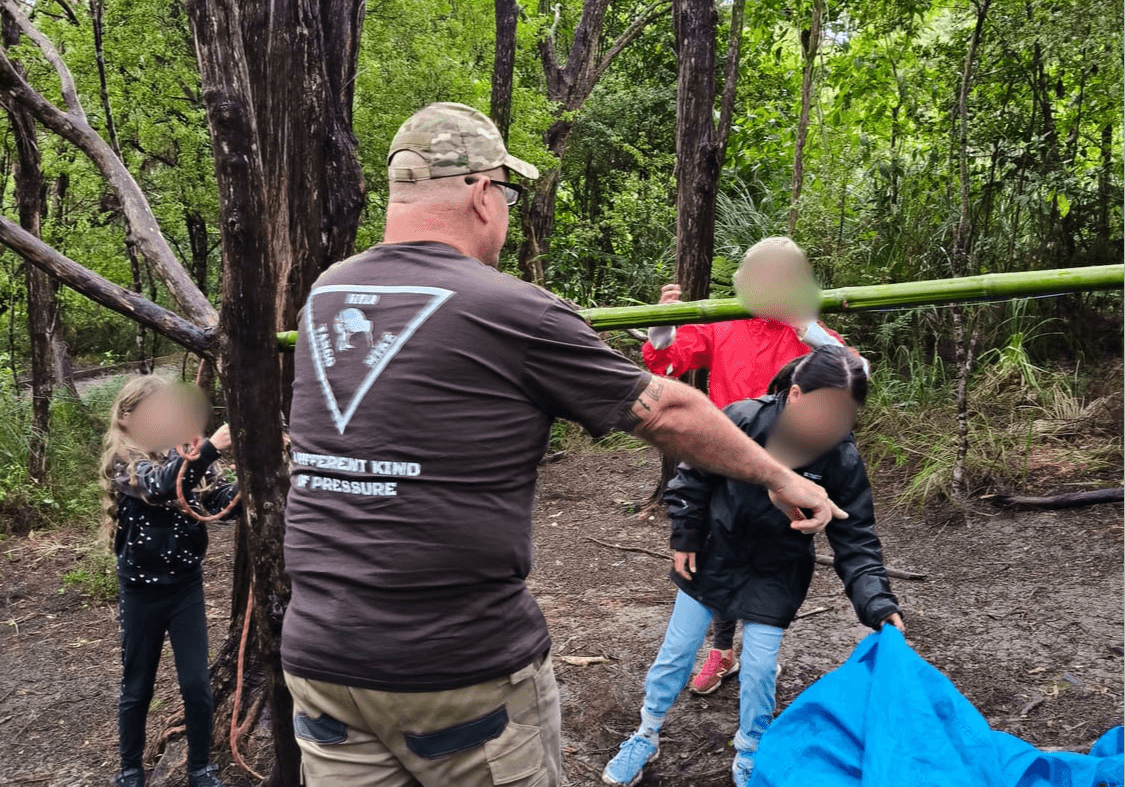
Mud, Bugs & Bivvies: Lessons in Leadership from the Forest Floor
By Chris Collins on September 16, 2025

Over-responsibility: The Silent Burden on Leaders and How to Address It
By Chris Collins on September 2, 2025
Our blog
The Tango Kilo Mike blog is a space for reflection, storytelling, and shared wisdom. We spotlight the voices of current and former members of the emergency and military services, along with their families, offering insights into leadership, resilience, mental health, and personal growth.
Whether it's a story of trauma turned into triumph, lessons learned on the front lines, or practical advice for navigating life after service, our blog is here to connect, uplift, and empower. Every post is written with mana—because every experience matters.
Explore popular posts, discover life lessons, and join a community built on courage, compassion, and connection.
Topics
Communication and Connection
Health and Wellbeing
Help Tango Kilo Mike
Achieve their mission
Tango Kilo Mike Charitable Trust is a registered NZ Registered Charity: CC59166